
Secrets of successful poker players: Lessons from the pros
The Mindset of a Champion
Successful poker players possess a unique mindset that sets them apart from the casual player. This mindset is characterized by patience, discipline, and emotional control. A champion understands that poker is not just a game of chance but involves strategic decision-making, much like how players enjoy online pokies for their own thrill and excitement. They often take time to evaluate their opponents, assess their own strategies, and remain calm under pressure. This ability to maintain composure can lead to making the right decisions even during high-stakes situations.
Moreover, top players practice resilience. They are aware that losing is part of the game, and they do not let a bad hand or a series of losses deter their motivation. Instead, they analyze their mistakes to ensure they learn and avoid repeating them. This growth mindset, coupled with a determination to improve, is a hallmark of professional players. Remaining focused on long-term goals rather than short-term results is a defining trait among the poker elite.
Additionally, professionals develop a routine that supports their mental fortitude. This includes pre-game rituals, physical fitness, and even meditation. By creating an environment conducive to peak performance, successful players enhance their chances of winning. Their approach often involves meticulous preparation, whether it’s studying game theory or practicing various strategies. A champion’s mindset is not just about winning; it’s about continuous growth and adapting to the dynamic nature of poker.
Mastering the Technical Skills
In addition to a winning mindset, technical skills are crucial for poker success. Professional players invest significant time mastering the rules, strategies, and intricacies of the game. They understand concepts like pot odds, implied odds, and bet sizing, which allow them to make informed decisions during play. A deep comprehension of these fundamentals enables them to assess situations more accurately and exploit their opponents’ weaknesses.
Moreover, successful players engage in constant self-study and analysis of gameplay. They review their hands, often using software tools that help them to track their performance and identify areas for improvement. By studying previous games and learning various approaches, they refine their techniques and adapt their strategies accordingly. This commitment to skill enhancement differentiates pros from amateurs, who may overlook the importance of continuous learning and practice.
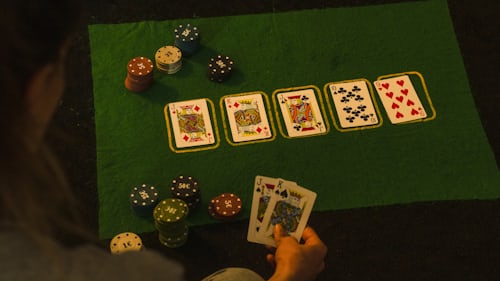
Furthermore, the ability to read other players is a crucial technical skill that successful poker players develop over time. This involves observing body language, betting patterns, and timing to glean insights into an opponent’s hand. By honing their observational skills and intuition, pros can make educated guesses about what cards their opponents hold. These abilities not only inform their decisions but also enhance their bluffing strategies, making them formidable opponents at any table.
Bankroll Management and Financial Discipline
A crucial aspect that often separates successful poker players from the rest is their understanding of bankroll management. Effective financial control involves setting strict limits on how much money they are willing to risk and ensuring they only play at stakes suitable for their bankroll. This discipline helps prevent significant losses and protects their capital for the long run. Professionals often create a budget for their poker activities, paying close attention to their wins and losses over time.
Moreover, top players recognize that variance is an inherent part of poker. They are prepared for the ups and downs that come with the game. By managing their bankroll wisely, they can weather losing streaks without going broke. This strategic financial approach allows them to stay in the game longer and increases their chances of overall success. Rather than chasing losses, they remain patient and stick to their strategy, which is essential for long-term viability.
In addition to playing within their financial means, professional players often diversify their sources of income within the gaming world. Many engage in different forms of poker or related activities, such as teaching, creating content, or participating in sponsorships. This multifaceted approach not only boosts their bankroll but also offers stability against the inherent unpredictability of poker. Understanding that poker is as much about management as it is about playing is a lesson that all successful players embrace.
Reading Your Opponents
Reading opponents effectively is a celebrated skill among top poker players. It involves more than just recognizing betting patterns; it requires an understanding of psychology and human behavior. Successful players often develop keen instincts through experience, allowing them to read subtle cues and deduce an opponent’s likely actions based on their demeanor and previous plays. This ability to gauge an opponent’s mindset is essential for making strategic decisions.

Additionally, successful players are adept at varying their own playing styles to confuse opponents. By mixing up their game—balancing aggressive plays with more conservative tactics—they keep their adversaries off balance and uncertain. This unpredictability can lead to opponents making mistakes, which professionals can exploit. Being able to switch gears based on their read of the table is what often separates winners from losers.
Furthermore, successful players learn to manage their own tells. They understand that their body language and betting patterns can give insight to their opponents. By minimizing obvious reactions or predictable betting habits, they safeguard their strategies. This self-awareness means they can bluff more effectively and create an edge in high-stakes situations. Mastering the art of reading others while managing one’s own signals is a critical skill for anyone aspiring to succeed in poker.
Building a Community and Resources for Growth
Successful poker players often recognize the importance of building a supportive community and leveraging resources for continuous growth. Engaging with fellow players allows them to exchange ideas, share strategies, and gain insights that may not be readily available through solitary practice. These interactions can occur in person, through gaming platforms, or online forums. Being part of a community fosters camaraderie and motivation, crucial for maintaining dedication to the game.
Additionally, many professional players utilize educational resources to enhance their skills further. Books, online courses, and videos featuring expert strategies provide invaluable knowledge that helps refine their gameplay. By investing in their education, players can stay ahead of the competition and incorporate advanced tactics into their arsenal. This ongoing commitment to learning is essential, as the poker landscape is constantly evolving.
Moreover, successful players often seek out mentors or coaching to accelerate their growth. Learning from those who have already achieved success in the field can provide tailored advice and insights that are not easily attainable through general resources. These relationships not only foster skill development but also help cultivate a network that can open doors to new opportunities in the poker world. Recognizing the value of community and mentorship is a crucial lesson for anyone serious about taking their game to the next level.
