
Explore the psychology of risk in casino gaming
Understanding Risk: The Foundation of Casino Gaming
Risk is a fundamental element of casino gaming, shaping not only the overall experience but also the choices that players make. When individuals step into a gaming environment, they often face a paradox between the allure of substantial rewards and the reality of potential losses, especially when considering options like online pokies australia payid that can heighten this excitement. This complex interplay creates a unique psychological landscape where excitement and anxiety coexist, compelling players to navigate their perceptions of risk. The emotional responses elicited by these risks can significantly influence the gaming experience, shaping behaviors and decisions in ways that are often unexpected.
The thrill associated with gambling arises from the uncertainty of outcomes, a core aspect of risk. Many players actively seek these situations because they provide an adrenaline rush, serving as a distraction from life’s monotony. This craving for excitement can sometimes overshadow rational assessments of risk versus reward, leading individuals to engage in behaviors that diverge from their usual decision-making processes. The psychological appeal of risk taps into fundamental human instincts related to survival, competition, and pleasure, making casino gaming a unique environment for exploring these instincts.
Moreover, studies have shown that the interpretation of risk varies significantly among players. Some individuals thrive in high-risk environments, finding enjoyment in the gamble and the thrill of potential winnings. In contrast, others approach gaming with caution, focusing on strategies to minimize losses. This diversity in risk perception does not only influence a player’s choice of games but also affects their overall engagement with the casino environment. Understanding these psychological dimensions is vital for grasping the full impact that risk has on the casino gaming experience.
The Role of Cognitive Biases in Gambling Decisions
Cognitive biases significantly shape how players perceive and engage with risk in casino gaming. These mental shortcuts can lead to irrational decisions that often contradict logical risk assessments. One prevalent bias is the optimism bias, where players overestimate their chances of winning, believing that luck is favoring them. This skewed perception can dramatically affect betting behavior, leading to longer gaming sessions as players cling to the hope of an imminent win, sometimes disregarding the statistical realities of their choices.
Another common cognitive distortion is the gambler’s fallacy, which stems from the erroneous belief that past outcomes can influence future results in games of chance. For instance, if a player experiences a series of losses, they might believe that a win is “due,” prompting them to increase their wagers in hopes of recovering previous losses. Such cognitive distortions emphasize the importance of understanding how the brain processes risk and reward, as they can profoundly impact gambling behavior and financial outcomes for the player.
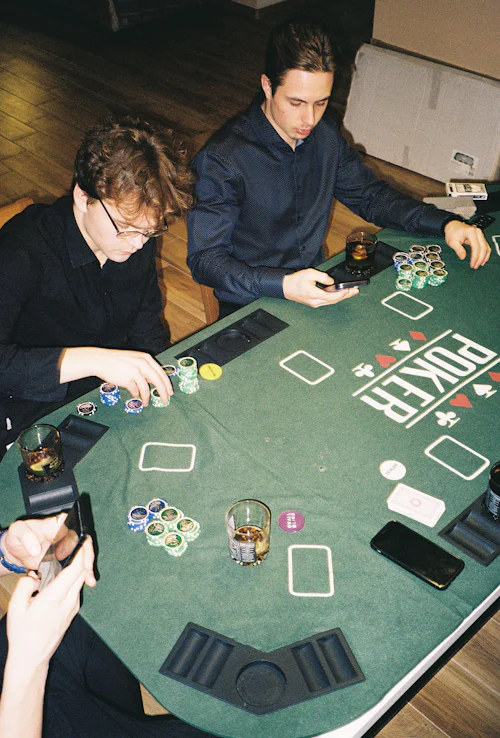
Additionally, the illusion of control is a cognitive bias that influences players’ perceptions of risk. Many gamblers mistakenly believe they can affect the outcomes of games, particularly in skill-based scenarios like poker or blackjack. This belief can lead to an increased willingness to take risks, as individuals feel empowered to make decisions that could influence the results. Understanding these biases is crucial for casinos, as it allows them to create environments that foster player engagement while also promoting responsible gambling practices.
The Emotional Experience of Risk in Casino Gaming
Emotions are deeply intertwined with risk-taking in casino environments. Players often experience a tumultuous range of feelings, from exhilaration to despair, heavily influenced by their successes and failures during play. Winning can induce a euphoric state that reinforces risky behaviors and encourages further engagement, while losses may evoke frustration or regret. This emotional rollercoaster can significantly affect how much time and money individuals are willing to invest in gaming activities.
The concept of loss aversion is particularly relevant in shaping emotional responses to risk. Research indicates that individuals tend to experience the pain of loss more acutely than the pleasure derived from equivalent gains. This psychological phenomenon can lead to behaviors such as chasing losses, where players continue to gamble with the hope of recouping what they’ve lost. Such actions often perpetuate a cycle of risk-taking that is challenging to break, highlighting the need for players to develop self-awareness regarding their emotional triggers and responses.
Furthermore, the social dynamics within casinos can intensify the emotional experiences associated with risk. The presence of fellow players, the vibrant atmosphere, and the strategic layout of gaming areas can amplify feelings of urgency and anticipation. This social fabric not only influences individual decision-making processes but also cultivates a communal experience around risk-taking, creating a sense of camaraderie or competition among players. Understanding these emotional dynamics is essential for comprehending why individuals engage with gaming environments and how they perceive risk.
The Influence of Casino Design on Risk Perception
The design and layout of casinos are intentionally crafted to enhance the perception of risk and encourage extended play. From the bright lights and immersive sounds to the strategic arrangement of games, every element is designed to heighten excitement and player engagement. The aim is not merely to attract players but to create an environment where the thrill of risk feels both enticing and accessible. As players navigate these meticulously designed spaces, their perceptions of risk may be influenced by sensory experiences that obscure rational decision-making.
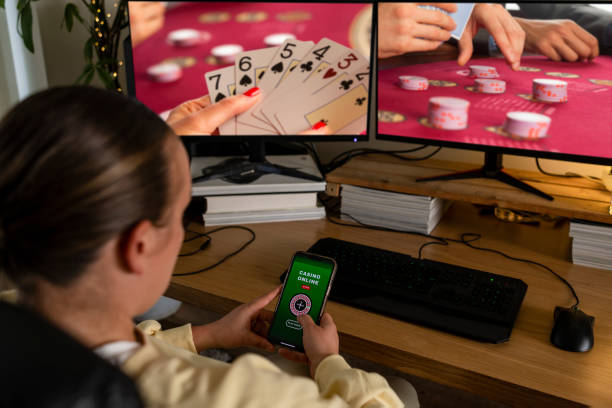
Moreover, the positioning of games that offer the highest payouts in prominent locations can lead to an increased perception of potential rewards, drawing players into high-risk situations. Casinos utilize tactics such as near-misses, where players experience outcomes that are tantalizingly close to a win, to foster a false sense of winning potential. This strategy can perpetuate gambling behavior by enhancing hope and motivating players to continue betting despite the statistical realities. Such design choices leverage psychological principles to cultivate an environment that encourages risk-taking.
The psychological implications of casino design extend beyond the physical layout; they also encompass branding and marketing strategies that convey a sense of exclusivity and desirability. Promotional messages that highlight substantial jackpots or showcase lucky winners can create an illusion of opportunity, luring players into taking greater risks than they might in a more subdued atmosphere. Understanding how these design factors influence perceptions of risk is crucial for both players and industry professionals who aim to promote responsible gaming practices.
Exploring Responsible Gaming Practices
As the complexities of risk and psychology in casino gaming unfold, the significance of responsible gaming practices becomes increasingly apparent. Recognizing the psychological factors that fuel risk-taking behavior allows both players and casinos to implement strategies aimed at minimizing harm. Establishing clear boundaries concerning time and money spent can empower individuals to make more thoughtful decisions while gaming, thereby reducing the negative consequences associated with impulsive behaviors.
Additionally, casinos are increasingly embracing measures to promote responsible gaming, such as providing comprehensive education on the odds of various games, offering self-exclusion options, and implementing player tracking systems that monitor gaming habits. These initiatives aim to inform players about the risks involved while cultivating a healthier gaming culture. By prioritizing responsibility, both players and casinos can collaborate to create a more sustainable and enjoyable gaming experience.
Furthermore, ongoing research into the psychology of risk in casino gaming is essential for developing effective strategies to address problem gambling. By delving into how risk perceptions are formed and influenced, stakeholders can create educational resources and intervention programs that empower players to make informed decisions. Ultimately, acknowledging the intricate relationship between psychology and risk can lead to better choices and an improved overall gaming experience for everyone involved.
